





In recent years, last‑mile delivery has emerged as one of the most accessible ways for individuals to earn money independently.
With the rapid growth of e‑commerce, expectations were high that solo drivers could make consistent, lucrative income by delivering packages for major carriers or independent platforms.
However, as market conditions evolve and operational costs rise, many drivers are asking: Is last‑mile delivery still profitable for solo drivers?
This question isn’t just academic. For those considering a switch to delivery driving whether full‑time or part‑time the economics of the job will determine if it’s a viable career option or merely a temporary income stream.
The Appeal of Last‑Mile Delivery Work
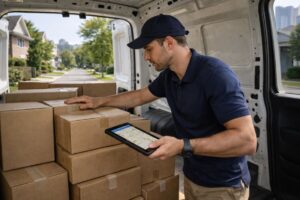
Last‑mile delivery appeals to solo drivers for several reasons:
- Flexible work hours: Drivers can often choose their own schedules, making it possible to work around other commitments.
- Low entry barriers: Unlike traditional jobs, delivery driving typically doesn’t require specialized training or certifications.
- Growing demand: With more consumers buying online than ever before, the need for efficient delivery services continues to expand.
Initially, these factors created an impression that last‑mile delivery could be a steady and profitable source of income for solo drivers. But the reality is more complex.
Understanding the Financial Reality
One of the biggest questions for anyone considering delivery driving is how much they can realistically make. Income varies widely based on the company, location, time of year, and how much effort a driver puts in.
For example, platforms offering contract work often estimate earnings based on per‑parcel rates. To understand how this works in practice, consider the information about self employed evri driver pay which highlights how individual rates can vary and what drivers are actually earning after expenses.
However, gross earnings are only part of the picture. To assess profitability, drivers must factor in all costs.
What Costs Do Solo Drivers Face?
Unlike employed delivery drivers, solo drivers generally operate as independent contractors, which means they are responsible for:
- Fuel costs: Fuel prices fluctuate, and delivery driving especially in urban environments with frequent stops can be particularly fuel‑inefficient.
- Vehicle maintenance and depreciation: Every mile driven contributes to increased wear and tear, meaning more frequent servicing, repairs, and faster depreciation of the vehicle’s resale value.
- Insurance and taxes: Solo drivers must usually pay for commercial or higher‑tier insurance and cover all their own tax obligations.
When these costs are subtracted from gross income, the net profit can be significantly lower than many drivers expect.
Geographic Variations Matter
Profitability also depends on where drivers are operating. Deliveries in densely populated urban areas can be more profitable because drivers can complete more deliveries per hour. However, these areas often involve heavy traffic, which can eat into net earnings due to longer delivery times and higher fuel consumption.
Conversely, rural routes might pay higher per delivery because of distance, but fewer deliveries per hour can reduce overall earnings.
Peak Periods Can Boost Earnings Temporarily
During peak shopping seasons like Black Friday, Christmas, or special sale events, delivery platforms see a sharp uptick in demand. To cope with the extra volume, companies may offer surge pricing, bonuses, or incentives.
This extra pay can make last‑mile delivery highly profitable but only during that specific window. For many solo drivers, the increased workload comes with increased stress, longer hours, and more miles, all of which can negate some of the financial benefits.
Comparison With Other Gig Work
Many drivers compare last‑mile delivery with other gig economy options like rideshare driving or food delivery. Each segment has its own pros and cons:
- Rideshare: Often higher rates per trip but dependent on passenger demand and higher insurance costs.
- Food delivery: Typically shorter, more local runs but smaller payouts per delivery.
- Package delivery: More stable work volume but lower variability in pay and higher vehicle usage.
Drivers must evaluate their own priorities whether that’s maximizing hourly earnings, minimizing wear on their vehicle, or balancing flexible hours with consistent work.
Key Factors Affecting Profitability
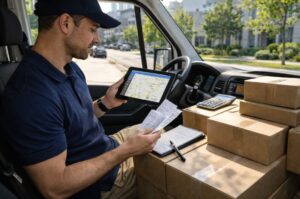
Several variables influence whether last‑mile delivery remains profitable for solo drivers:
1. Company Pay Structures
Each platform has its own pay model. Some pay per package, while others pay per hour or per route. Understanding how pay is calculated and how bonuses are structured is critical for drivers seeking profitability.
2. Operational Efficiency
Solo drivers who optimise their routes, minimise downtime, and choose times when delivery demand is high are more likely to maximise earnings. GPS optimization tools and experience can make a significant difference.
3. Vehicle Type and Efficiency
Fuel‑efficient vehicles lower operational costs. Electric vehicles (EVs), for example, can reduce fuel expenses dramatically. However, EVs come with their own upfront costs and may not be ideal for all delivery environments.
4. Cost Management
Tracking expenses meticulously including fuel, maintenance, insurance, and taxes lets drivers know their real net income, helping them make data‑driven decisions about workload and routes.
Is It Still Worth It?
The answer depends on what «profitable» means to you.
For some drivers, last‑mile delivery provides a flexible side income that complements other work or responsibilities. In this context, even modest net profits can be worthwhile.
For others considering it as a full‑time job, the margins can be tight. After accounting for fuel, maintenance, insurance, and taxes, the income may barely meet living expenses especially in high cost‑of‑living areas.
Yet, with smart planning, judicious route selection, and disciplined cost management, many drivers still make it work. The key is realistic expectations: delivery driving can be profitable, but it’s not a get‑rich‑quick scheme.
Conclusion
If you’re thinking about becoming a solo last‑mile delivery driver, here’s a checklist to evaluate before you commit:
- Do the math: Estimate your potential gross pay minus fuel, maintenance, insurance and taxes.
- Know your market: Research delivery demand and average earnings in your area.
- Consider peak periods: Understand that seasonal bonuses may boost income temporarily.
- Plan for downtime: Slow seasons can reduce earning opportunities.
- Choose the right vehicle: Fuel efficiency can make a big difference in net profitability.
In conclusion, last‑mile delivery can still be profitable for solo drivers, but profitability isn’t guaranteed.
Drivers who understand their costs, manage their routes efficiently, and approach the work with realistic expectations are more likely to succeed. For others, it may be better suited as a flexible side hustle rather than a standalone career